
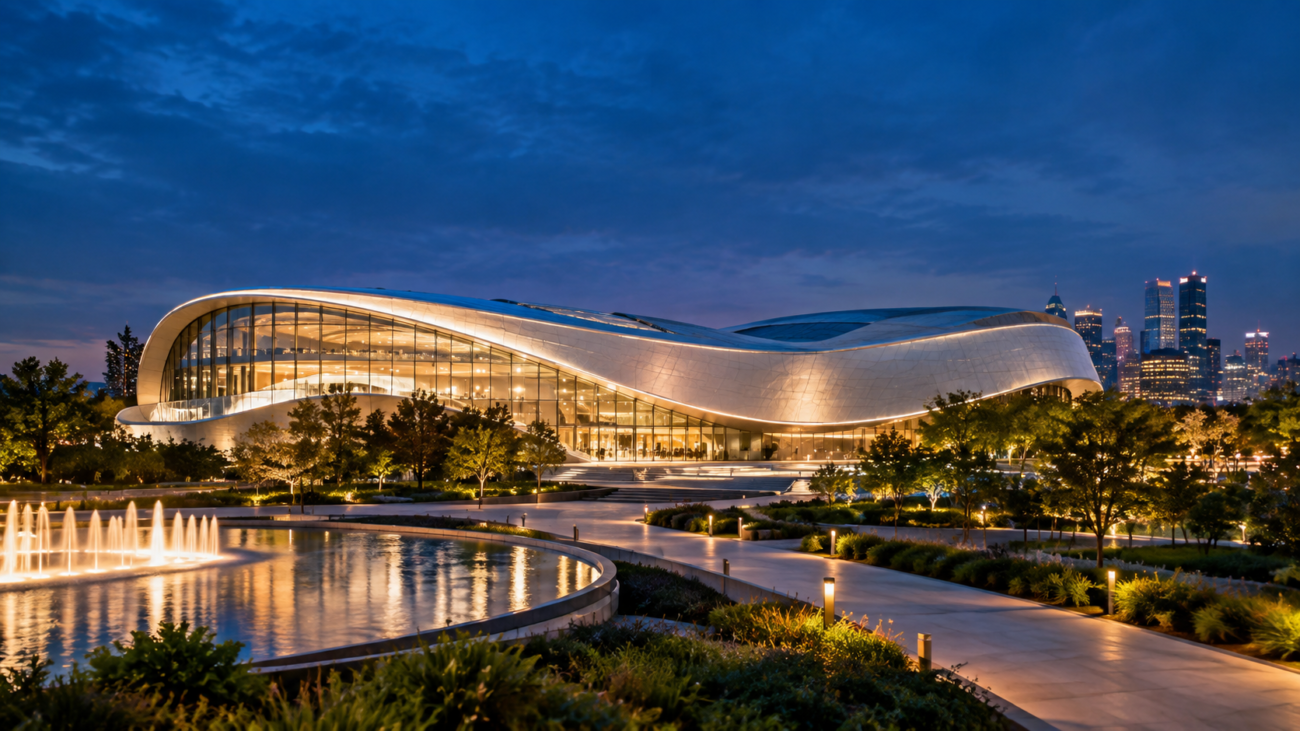
Los Angeles has welcomed a major new cultural attraction with the opening of the Lucas Museum of Narrative Art, founded by filmmaker George Lucas and his wife, Mellody Hobson. The museum opened to the public on September 22, 2026, bringing together art, film, comics and visual storytelling under one roof.
Located in Exposition Park, the museum offers much more than a look at the world of Star Wars. Its collection explores how people have used images to share ideas, record history, express emotions and tell stories across different cultures and generations.
The museum brings together traditional paintings, illustrations, photographs, comic art, murals and objects connected to filmmaking. Visitors can explore works by well-known artists while also discovering the creative process behind some of cinema’s most recognisable designs.
Its unusual architecture and surrounding green spaces add to the attraction. Designed by Ma Yansong of MAD Architects with Stantec, the building has a flowing, futuristic appearance that gives it a distinctive place in Los Angeles.
For art lovers, film fans and families, the Lucas Museum offers a different way to experience visual culture. It connects traditional art with popular entertainment and shows how both can help people understand the world around them.
Inside the Lucas Museum: Art, History and Visual Storytelling
The main idea behind the Lucas Museum is simple: images can tell stories in many different ways. A painting can capture an important moment, a photograph can preserve a memory, and a comic book can build an entire world through drawings and words.
The museum explores this idea through more than 30 galleries and a collection covering a wide range of artistic styles and periods. Its opening exhibitions include more than 1,300 works, giving visitors plenty to discover across the building.
The collection features artists such as Frida Kahlo, Norman Rockwell, Vincent van Gogh and Diego Rivera. It also includes comic art, children’s book illustrations, photography and works connected to cinema.
This broad approach helps visitors see connections between art forms that are not always displayed together. A traditional painting and a comic-book page may look very different, but both can use colour, composition and character to communicate a story.
The museum also explores the role images have played in shaping beliefs, communities and cultural identity. Some works reflect mythology and religion, while others focus on family, everyday life, adventure and social history.
Rather than separating fine art from popular culture, the museum places them within a wider conversation about human creativity. This gives visitors a chance to explore familiar forms of entertainment from a fresh perspective.
Star Wars Exhibits and the Creative Process Behind the Films
For fans of George Lucas, the museum’s Star Wars collection is likely to be a major attraction. The inaugural exhibition, Star Wars in Motion, explores vehicle designs from the first six films in the franchise.
Visitors can see concept artwork, props, costumes and other production materials connected to the films. The displays include designs associated with vehicles such as Luke Skywalker’s Landspeeder and General Grievous’s Wheel Bike.
These objects offer a closer look at how the fictional galaxy was brought to life. On screen, a spaceship might appear for only a few moments, but the work behind its design can involve sketches, models, technical planning and many creative decisions.
Concept art plays an important part in this process. Artists develop early ideas for characters, environments, vehicles and costumes, helping filmmakers decide how a fictional world should look and feel.
The museum gives visitors a chance to explore parts of that process instead of seeing only the finished film. For longtime fans, original production material can offer a new appreciation of the effort behind familiar scenes.
However, Star Wars is only one part of the museum’s wider collection. Its galleries also explore illustration, graphic novels, manga, photography and murals, making the museum relevant to visitors with a wide range of interests.
A Futuristic Building With Gardens and Public Spaces
The museum’s architecture is one of its most noticeable features. Designed by Ma Yansong of MAD Architects with Stantec, the building has curved lines and a smooth exterior that give it an almost sculptural appearance.
Its design reflects the imaginative spirit of the collection. Instead of looking like a traditional museum, the building creates a striking visual presence within Exposition Park.
The structure covers approximately 300,000 square feet, with more than 100,000 square feet devoted to gallery space. Its large exhibition areas allow the museum to present artworks from different periods and mediums within a single institution.
The outdoor setting is also part of the experience. The museum campus includes a park and gardens designed by Mia Lehrer and Studio-MLA, with walking areas, public green space and outdoor sculptures.
These spaces give visitors somewhere to relax before or after exploring the galleries. They also help connect the museum with the surrounding community and the wider cultural attractions of Exposition Park.
Inside, visitors can also find two theatres and a free public research library. The library offers resources for people interested in art, comics, filmmaking and the history of storytelling.
The combination of galleries, outdoor areas and educational spaces makes the museum more than a place to view artworks. It is designed to support learning, public activities and a closer look at the ways stories are created.
Why the Lucas Museum Matters for Los Angeles
The opening of the Lucas Museum adds a distinctive attraction to Los Angeles, a city known around the world for its film industry and creative communities. Its collection brings cinema into conversation with painting, photography, illustration and other forms of art.
The museum also gives comics and popular illustration a prominent place within a major cultural institution. These art forms have influenced generations of readers and filmmakers, yet they have not always received the same attention as traditional fine art.
By presenting different mediums side by side, the museum encourages visitors to consider how visual storytelling has changed over time. A mural, a photograph, a comic panel and a film design may use different techniques, but each can communicate ideas and emotions.
Its educational spaces offer another benefit. Students, researchers and aspiring artists can explore the materials and methods that help creators turn ideas into images.
For tourists, the museum provides another reason to visit Exposition Park. For local residents, its gardens, exhibitions and public spaces create a new place to explore art and spend time with family and friends.
The museum’s opening also reflects George Lucas and Mellody Hobson’s wider interest in visual storytelling. While Lucas is closely associated with Star Wars and Indiana Jones, the institution reaches beyond those franchises to explore the many ways people have used images throughout history.
Whether visitors arrive for the film memorabilia, the paintings, the comic art or the building itself, they can find different ways to engage with the collection.
The Lucas Museum of Narrative Art offers a broad view of creativity, bringing together works that might otherwise be found in very different places. Its opening marks a new addition to Los Angeles’ cultural scene and invites visitors to think about how images help people share experiences, preserve memories and imagine new worlds.
